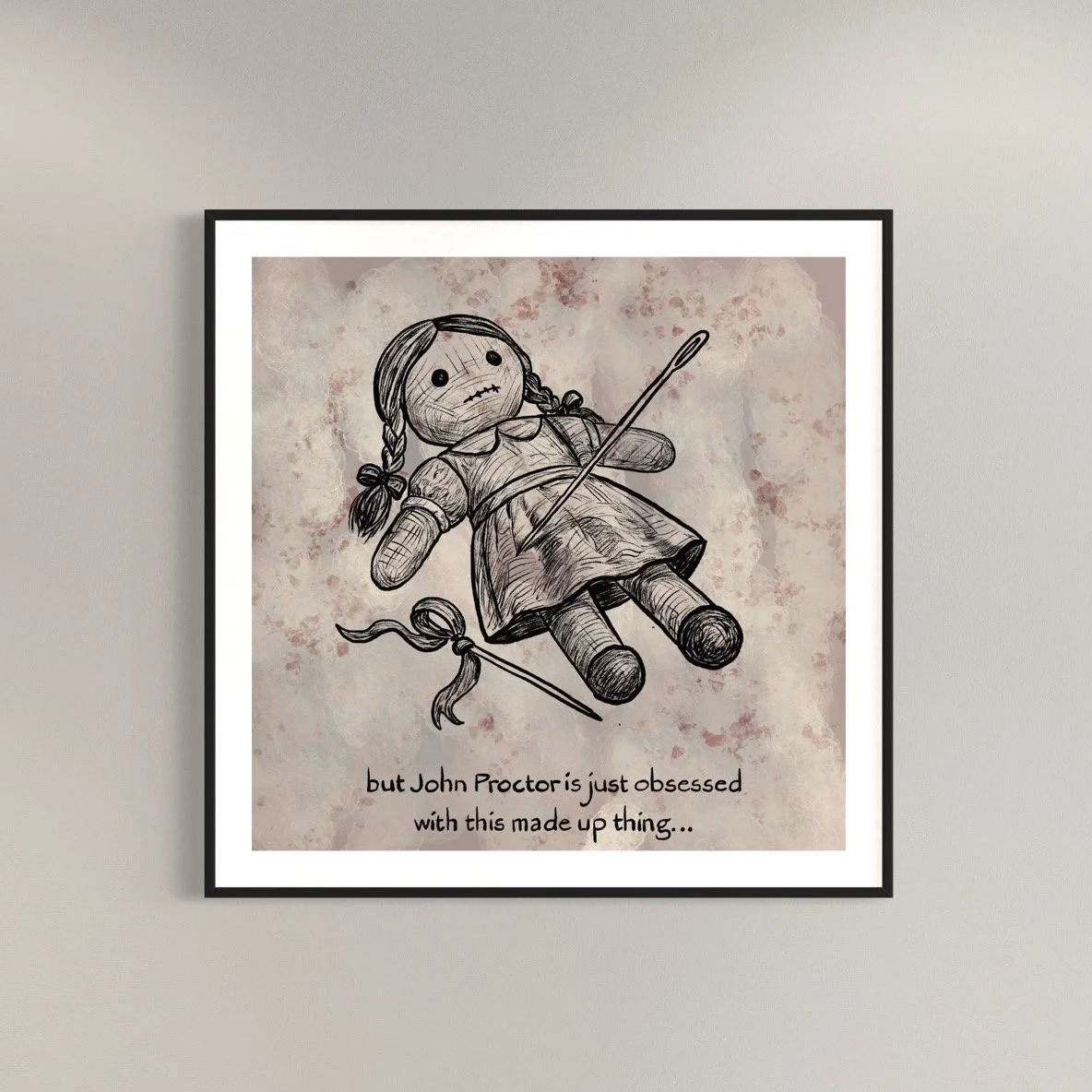
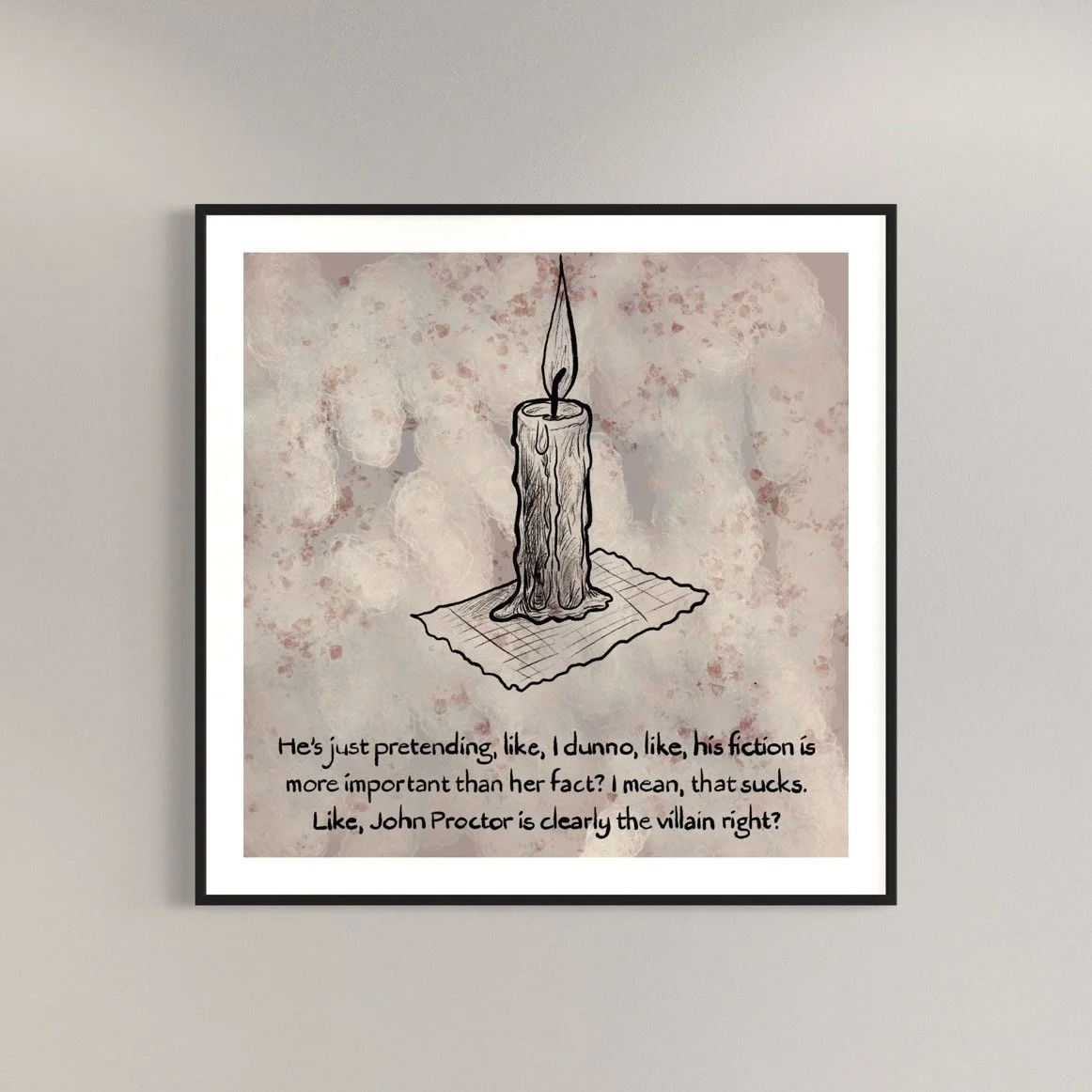
JPITV
In August, I had my first real visit to New York City. I had technically passed through once before , about an hour, barely enough time to orient myself, much less experience it. Anyone who’s been knows that isn’t nearly long enough to take in a city like NYC.
This time, I was there for about 36 hours, and I made every moment count. One of the most meaningful parts of that trip was seeing John Proctor Is the Villain on Broadway. It was my first Broadway show, and I truly couldn’t have asked for a more impactful one.
For those unfamiliar, John Proctor Is the Villain follows a group of teenage girls navigating friendship, power, and identity against the backdrop of the Me Too movement. Without spoiling anything, the play does something remarkable: it reframes how we’ve been taught to view John Proctor from The Crucible, a story many of us last encountered in high school.
I hadn’t thought deeply about The Crucible in years. And I definitely hadn’t revisited it since I began working in the space of human trafficking and child exploitation. Seeing this story through a new lens was jarring in the best way.
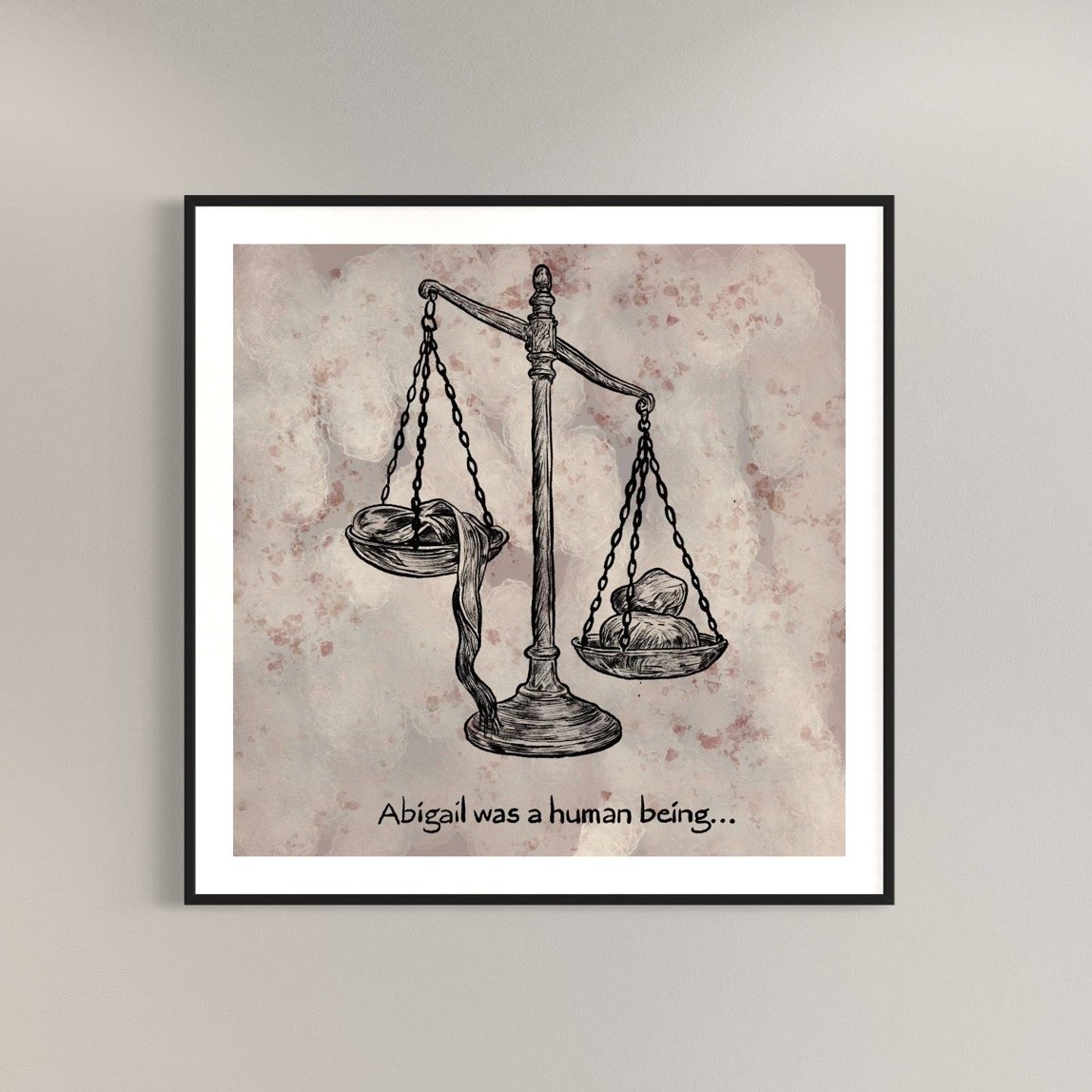
In school, we were taught that Abigail Williams was the problem, that she was a scorned teenage girl who developed feelings for an older man and sought revenge when he didn’t reciprocate in the way she wanted. That narrative was presented as fact. But sitting in that theater, it became painfully clear how warped that framing always was.
John Proctor wasn’t a tragic hero who made a mistake.
He was a 50-year-old man “having an affair” with a 17-year-old girl.
And that language matters.
That is not an affair. That is grooming. That is abuse. That is a profound imbalance of power that we were conditioned to overlook, or worse, excuse.
What struck me most wasn’t just the reinterpretation of the story, but the realization of how easily we were taught to sympathize with the adult man while vilifying the teenage girl. How quickly responsibility was shifted onto her. How familiar that pattern still feels.
Working in anti-trafficking and child exploitation advocacy has fundamentally changed the way I see narratives like this. I’ve learned how often harm hides behind softened language. How frequently exploitation is reframed as romance. How society protects men by calling abuse “complicated” while expecting girls to carry the blame.
Watching John Proctor Is the Villain felt like someone finally naming the thing that had always been there, the discomfort we were taught to ignore.
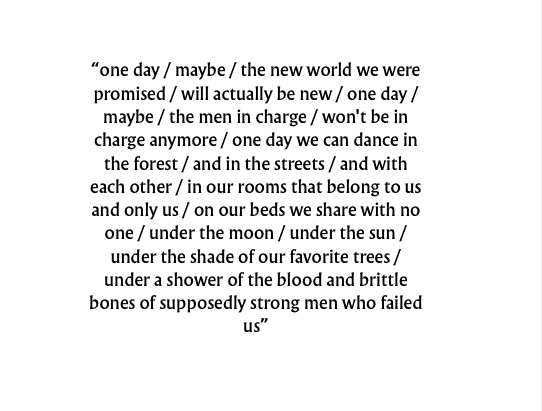
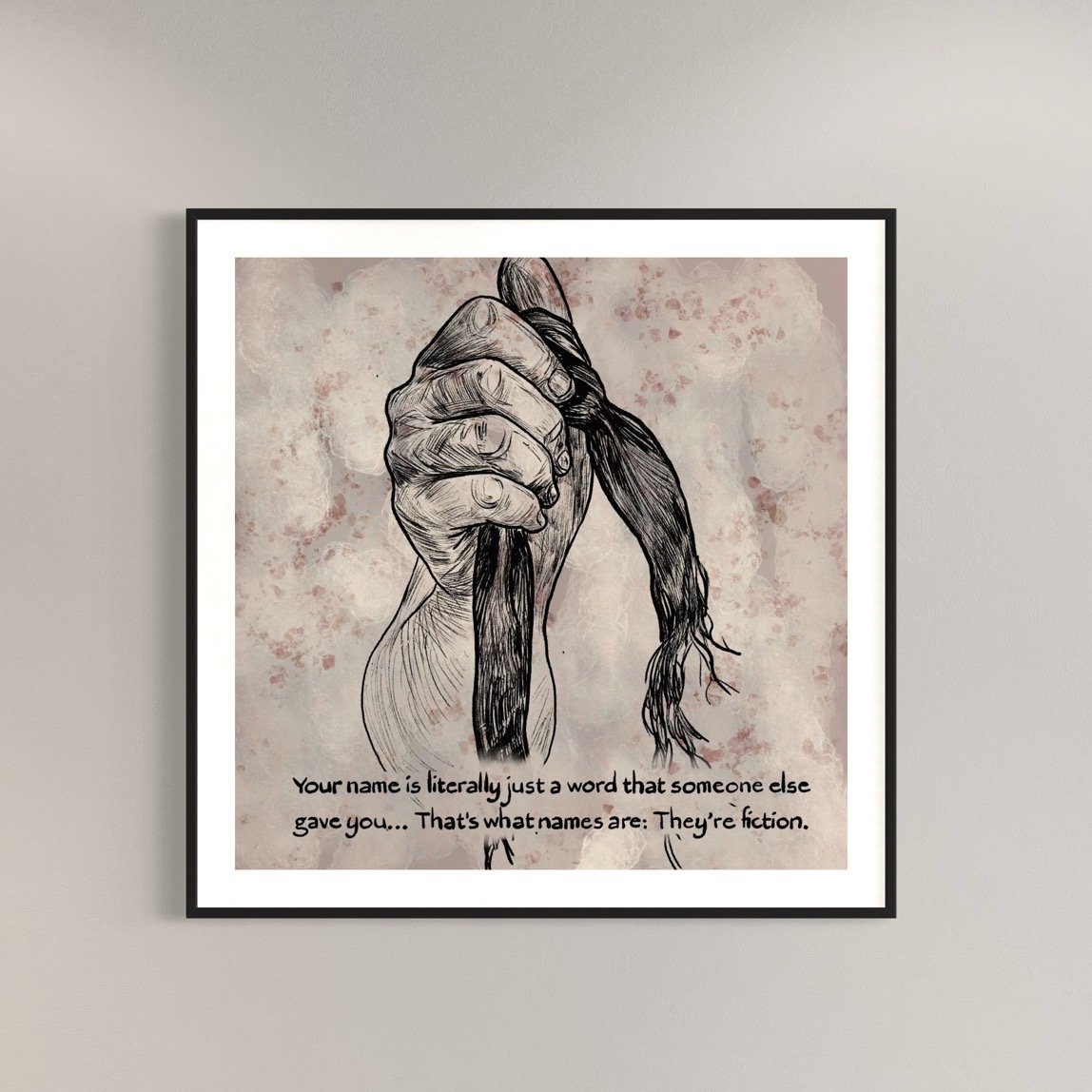
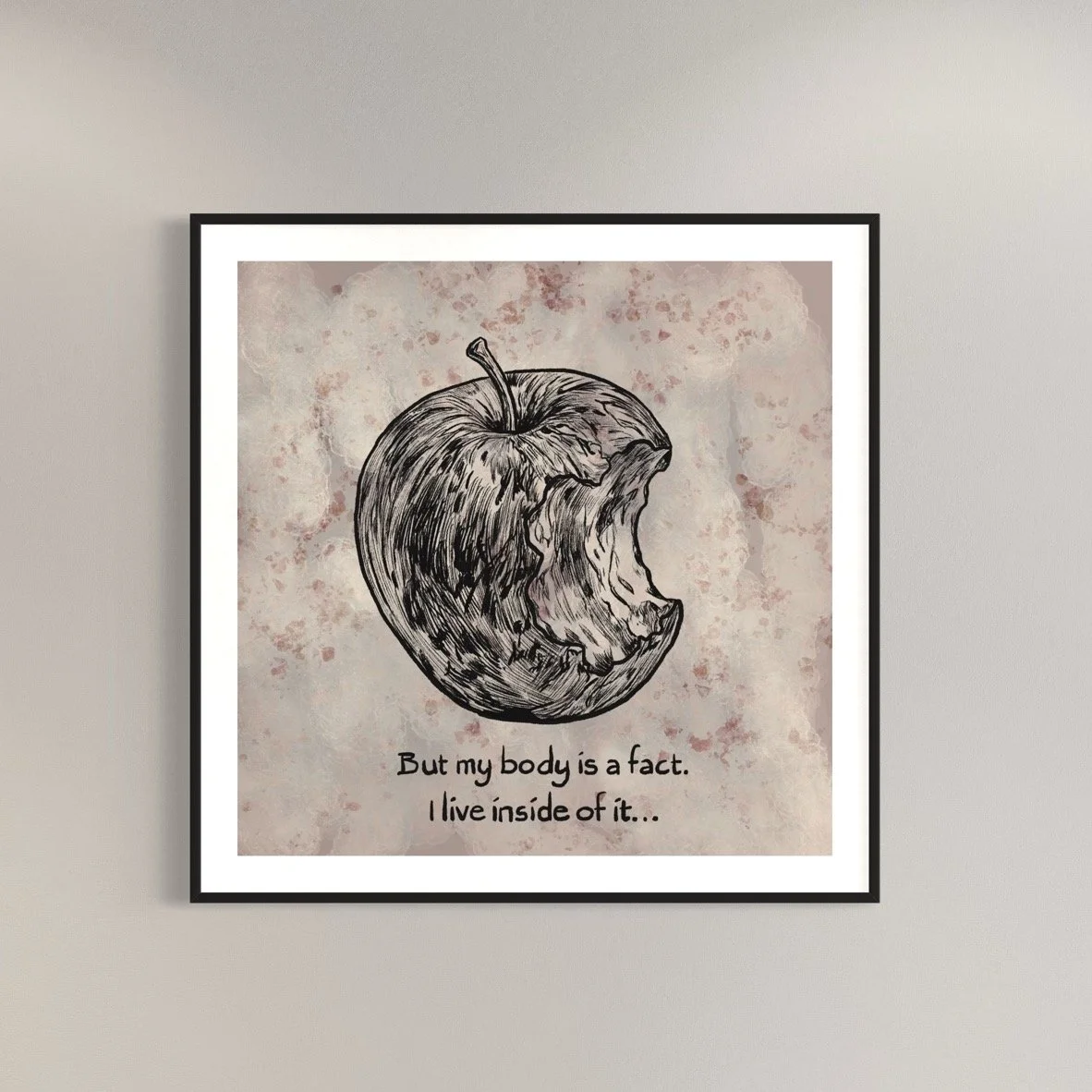
As an artist, this experience stayed with me long after the curtain closed. It challenged me to think about the stories we inherit, the myths we romanticize, and the responsibility we have to look again, especially when the original telling failed to protect the most vulnerable voices.
This play didn’t just make me emotional. It made me clearer.
Clearer about why I care so deeply about the work I do. Clearer about the kind of stories I want my art to engage with. Clearer about the importance of challenging narratives that excuse harm under the guise of tradition, authority, or “the way things were.”